
How to Prevent Seasickness on a Cruise: 7 Easy Tips for First-Time Cruisers
⏱️ – 4 Minute Read
Cruising is one of the most relaxing ways to travel. Picture ocean views, incredible food, and exciting ports of call. But one worry many first-time cruisers share is seasickness.
The good news? Most people don’t experience severe seasickness, and there are plenty of easy ways to prevent it before it even starts. With the right preparation and a few smart choices, you can enjoy your cruise without feeling queasy.
In this guide, we’ll walk you through practical, proven tips to help you stay comfortable and make the most of your cruise holiday
Choose a Larger Cruise Ship
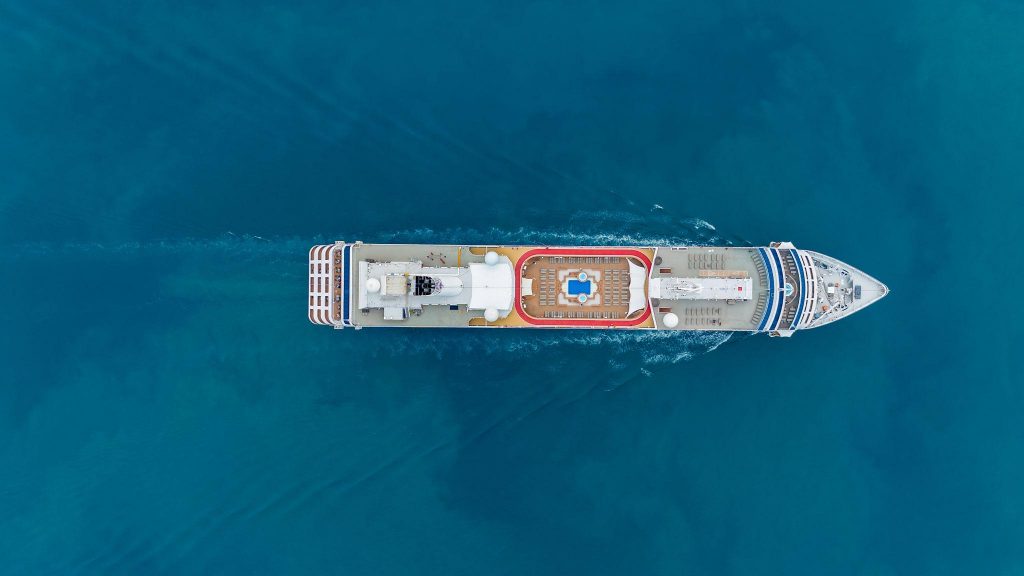
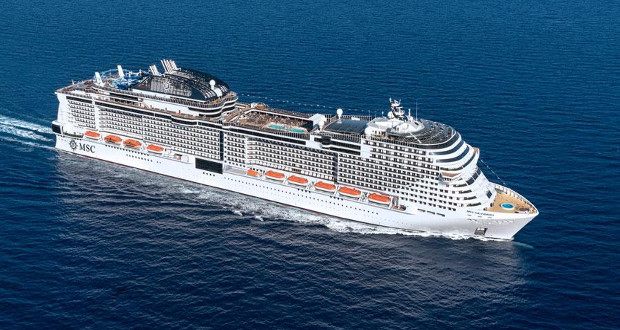
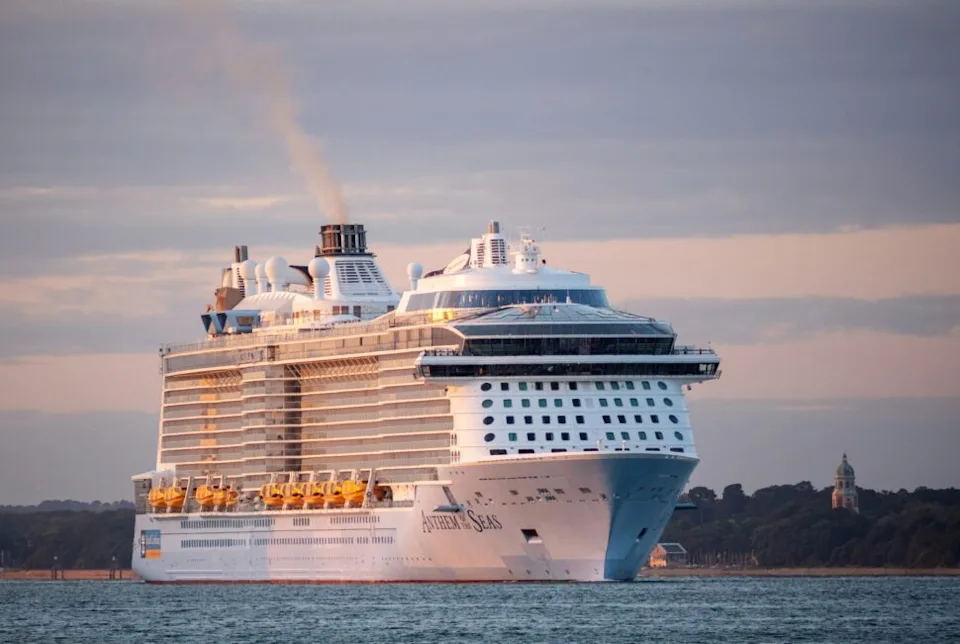
If you’re worried about motion sickness, bigger ships are usually better.
Large cruise ships are designed with advanced stabilisers and sheer size that reduce how much the vessel rocks in the waves. Because of this, passengers typically feel far less movement compared to smaller ships.
Why it helps:
- Larger ships move more slowly in response to waves
- Modern stabilisers reduce rocking
- The movement feels smoother and less noticeable
For your first cruise, choosing a newer, larger ship can make a big difference in comfort.
Pick the Right Cabin Location
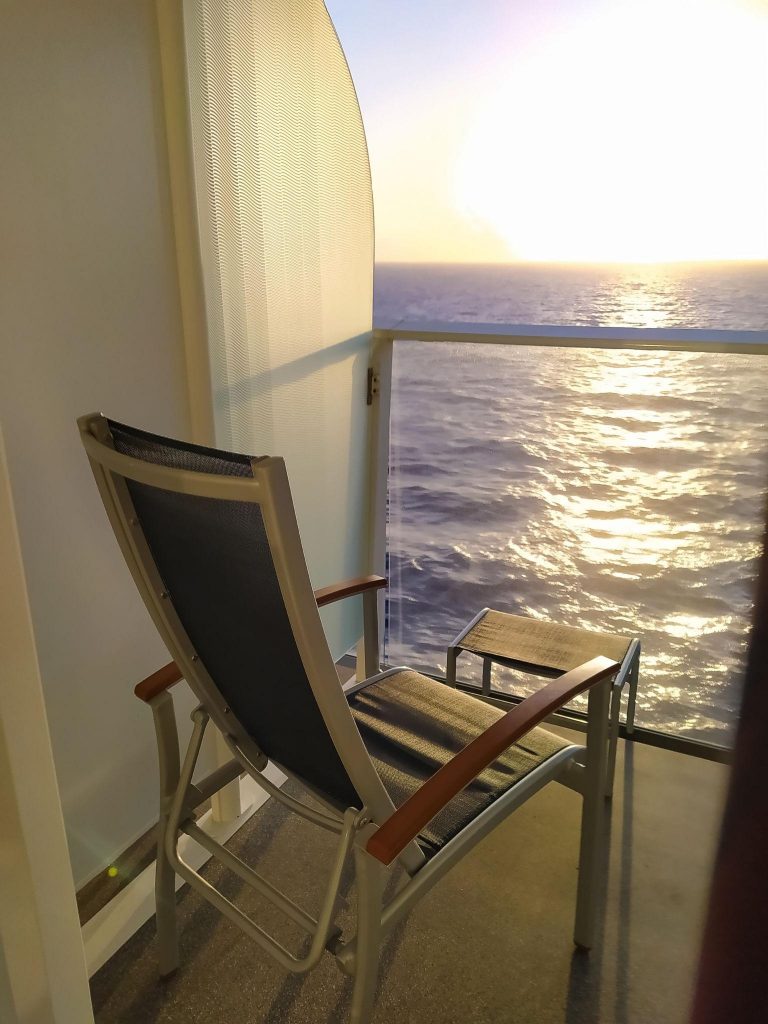
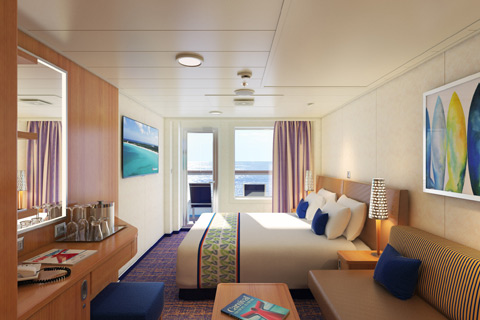
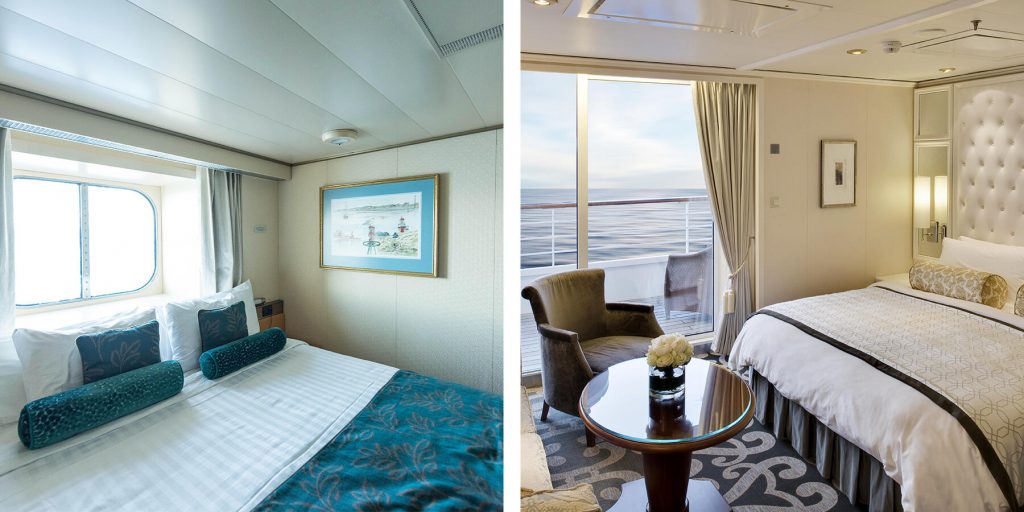
Your cabin location plays a major role in how much motion you feel.
The middle of the ship (mid-ship) and lower decks experience the least movement because they are closest to the ship’s center of gravity.
Best cabin choices for avoiding seasickness:
- Mid-ship location
- Lower decks
- A cabin with a window or balcony
Having a balcony or window also allows you to see the horizon and get fresh air, both of which can help calm nausea.
Try to avoid cabins at the front (bow) or back (aft) of the ship where movement is more noticeable.
Get Fresh Air and Look at the Horizon

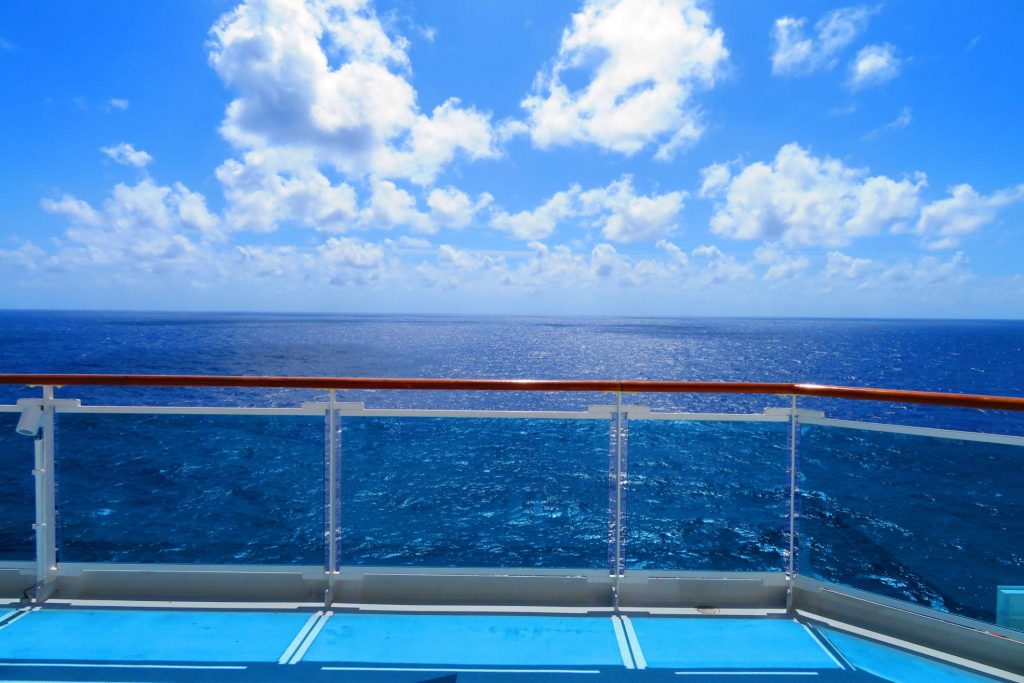
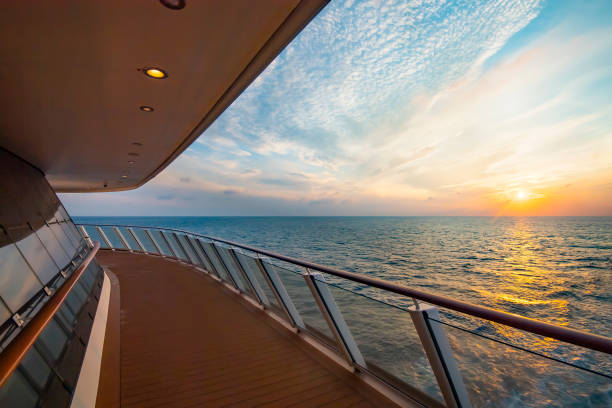
One of the simplest remedies for seasickness is stepping outside and focusing on the horizon.
When your body senses motion but your eyes don’t see it, the brain receives mixed signals. Looking at the stable horizon helps your brain and inner ear align again, which reduces nausea.
Fresh air can also help settle your stomach and make you feel better quickly.
Quick tip:
If you start feeling uneasy, head to an open deck, breathe deeply, and focus on the horizon line.
Pack Seasickness Remedies Just in Case
Even if you think you’ll be fine, it’s smart to bring a few seasickness remedies.
Popular options include:
Medication
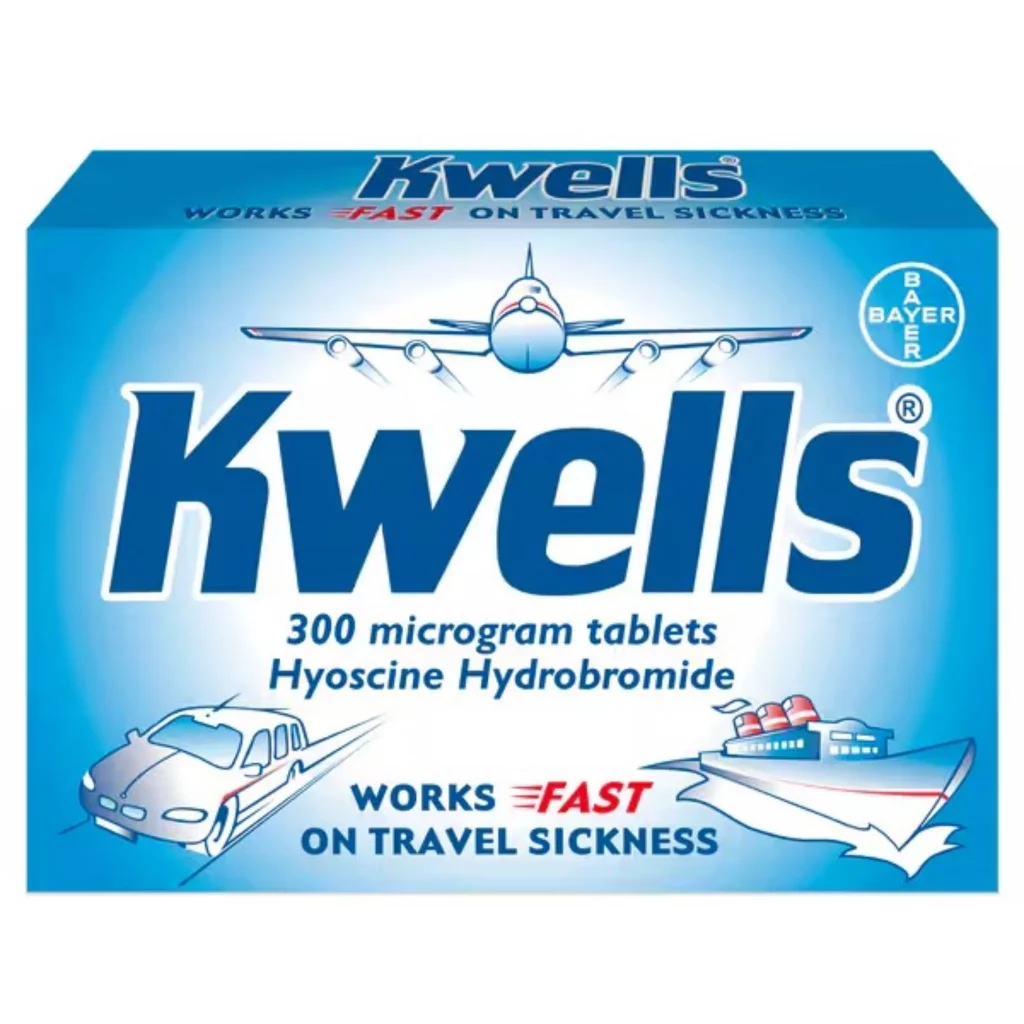
- Over-the-counter tablets like Dramamine or Bonine
- Prescription patches from your doctor
Natural remedies
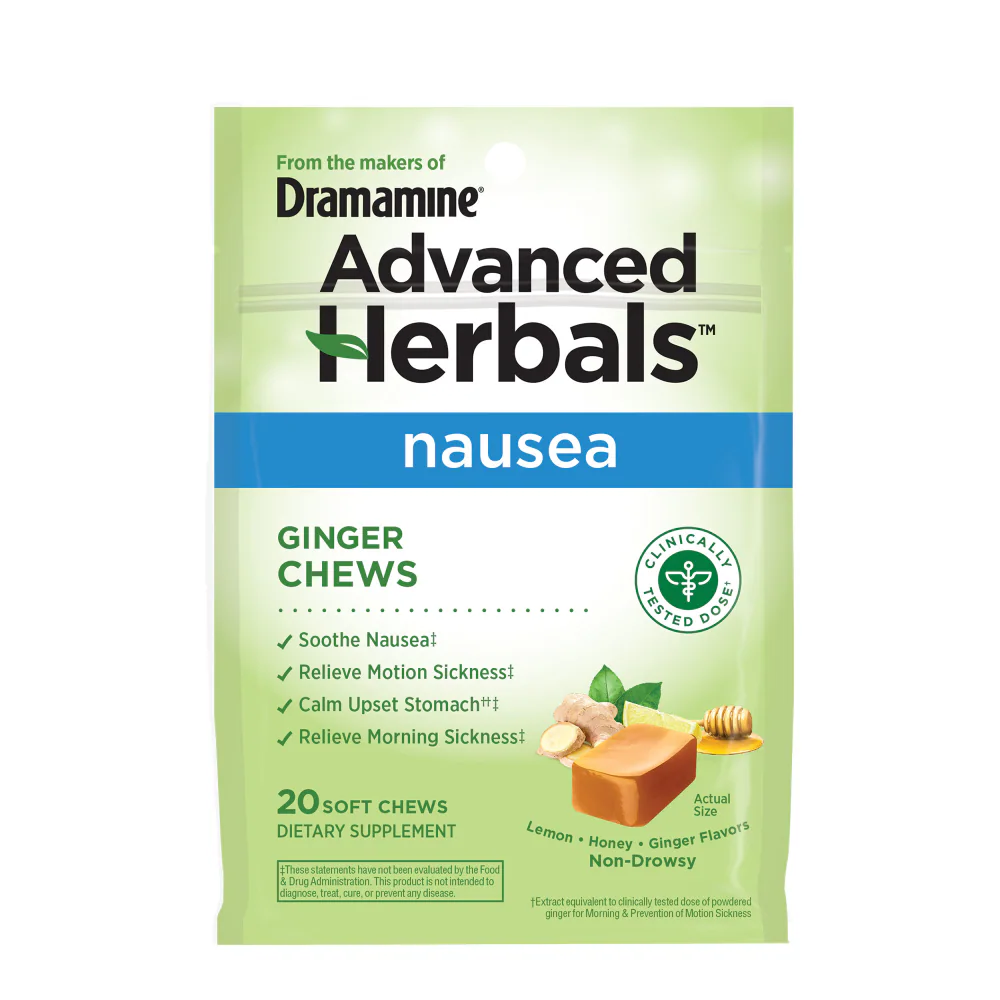
- Ginger tea or ginger candies
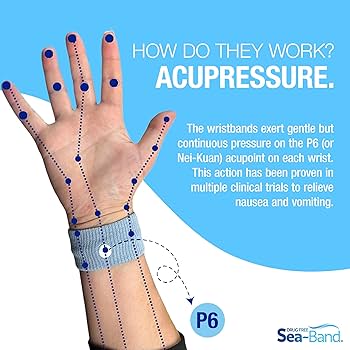
- Acupressure wristbands (Sea-Bands)
These remedies are most effective when taken before symptoms start, so it’s wise to pack them in your carry-on bag.
Eat Light and Stay Hydrated
Your diet can also influence how your body reacts to movement at sea.
Experts recommend eating light, easy-to-digest meals and avoiding greasy or spicy foods that can worsen nausea.
Helpful foods include:
- Crackers
- Bananas
- Ginger
- Green apples
Also remember to drink plenty of water, as dehydration can make seasickness symptoms worse.
Choose a Calm Itinerary
Not all cruise routes are equally calm.
Certain areas of the ocean are known for rougher waters, and cruises with many days at sea increase the chances of feeling motion.
If you’re concerned about seasickness, consider:
- Cruises with fewer sea days
- Routes with frequent ports
- Avoiding notoriously rough areas like large ocean crossings
This helps break up time at sea and keeps the journey more comfortable.
Get Plenty of Rest
Being tired can make motion sickness worse.
Getting enough sleep before and during your cruise helps your body adapt to the ship’s movement more easily.
Try to:
- Avoid late nights before embarkation
- Stay hydrated
- Take short breaks if you feel tired
A well-rested body is much better at handling motion.
Final Thoughts: Seasickness Doesn’t Have to Ruin Your Cruise
Seasickness is a common concern for first-time cruisers, but most passengers experience little to no symptoms, especially on modern ships.
By choosing the right ship and cabin, packing a few remedies, and following simple habits like getting fresh air and eating light meals, you can greatly reduce the chances of feeling unwell.
With these tips in mind, you’ll be free to focus on the best parts of cruising:
- Stunning ocean views
- Amazing destinations
- Relaxation and adventure
In other words — smooth sailing ahead.